
Polyphosphoric Acid (PPA)
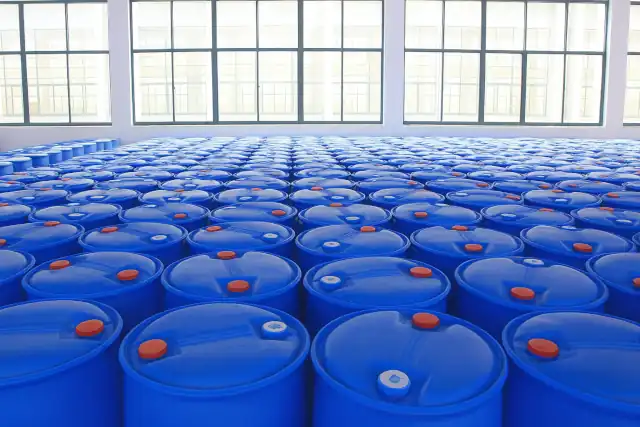 Polyphosphoric acid (PPA) is a versatile reagent widely used in organic synthesis, consisting of a mixture of phosphoric acid oligomers with the general formula H_{n+2}P_nO_{3n+1}.
This viscous, colorless to pale yellow liquid serves as an efficient alternative to traditional acidic catalysts in numerous chemical reactions.
Key Properties
Physical Characteristics:
- Appearance: Viscous, syrupy liquid, colorless to pale yellow
- High viscosity that increases with phosphorus pentoxide (P₂O₅) content
- Hygroscopic nature – absorbs moisture from air
- Typical P₂O₅ content: 83-86%
Chemical Properties:
- Strong Dehydrating Agent: Exhibits dehydration power comparable to concentrated (100%) sulfuric acid
- Moderate Acidity: Strong Brønsted acid, though weaker than concentrated sulfuric acid
- Low Nucleophilicity: Minimizes unwanted side reactions
- Non-oxidizing: Unlike sulfuric acid, PPA does not oxidize organic substrates under typical reaction conditions
- Thermal Stability: Stable at elevated temperatures commonly used in organic synthesis
Advantages Over Traditional Acids
- Gentler Reagent: Provides strong acidic catalysis without the harsh oxidizing properties of sulfuric acid
- Cleaner Reactions: Reduced charring and oxidative degradation of sensitive organic compounds
- Selectivity: Low nucleophilicity allows for better control in acid-catalyzed reactions
- Versatility: Effective in both catalytic and stoichiometric quantities
- Easier Workup: Aqueous quenching facilitates product isolation
Physical characteristics:
- Appearance: olorless viscous liquid, easy to deliquesce.
- Formular: H n +2 P n O 3n+1
- CAS: 8017-16-1
- Melting point: 16 ~ 30 ℃
- Boiling point: 856 ℃
- Relative density (water = 1): 2.1
- Solubility: miscible with water
Primary Applications
Cyclization Reactions:
- Friedel-Crafts acylations and alkylations
- Beckmann rearrangements
- Fischer indole synthesis
- Formation of heterocyclic compounds
Condensation Reactions:
- Ester formation and esterification
- Amide bond formation
- Peptide synthesis
Dehydration Reactions:
- Alcohol dehydration to alkenes
- Formation of nitriles from amides
- Preparation of acid anhydrides
Polymer Chemistry:
- Polyester and polyamide synthesis
- Polybenzimidazole (PBI) production
Typical Usage
PPA is employed in laboratory-scale synthesis as well as industrial processes. It can be used:
- As a reaction medium and catalyst combined
- In catalytic amounts (5-20% by weight)
- In stoichiometric or excess quantities for dehydration reactions
- At temperatures ranging from room temperature to 200°C depending on the application
Safety and Handling
- Corrosive: Causes severe skin burns and eye damage
- Hygroscopic: Store in tightly sealed containers under dry conditions
- Handle with appropriate PPE (gloves, goggles, lab coat)
- Use in well-ventilated areas or under fume hood
- Neutralize spills with sodium bicarbonate solution
Storage Conditions
- Store in cool, dry place away from moisture
- Keep container tightly closed
- Typical shelf life: 2 years when properly stored
- Avoid contact with water to prevent dilution and heat generation
Overall
Polyphosphoric acid represents a valuable tool in the modern synthetic chemist’s arsenal, offering powerful dehydrating and catalytic properties with improved selectivity and reduced side reactions compared to traditional mineral acids.
Its unique combination of strong acidity, excellent dehydrating ability, and non-oxidizing character makes it an indispensable reagent for a wide range of organic transformations.
For specific applications, concentrations, and detailed procedures, please consult technical literature or contact our technical support team.
Contact us: [email protected]