Gum Rosin – Tricyclic Monocarboxylic Acids
Product OverviewGum rosin, scientifically classified as a mixture of tricyclic monocarboxylic acids, is a natural resinous material derived from the oleoresin of pine trees, primarily from Pinus species. This versatile bio-based product has been valued for centuries across numerous industries and continues to serve as an essential raw material in modern manufacturing processes. Chemical CompositionGum rosin consists predominantly of resin acids, which are tricyclic diterpene monocarboxylic acids. The major constituents include:
The molecular structure features a phenanthrene-based tricyclic ring system with a carboxylic acid functional group, giving gum rosin its characteristic properties and reactivity. Physical Properties
Key Applications
Product Advantages
Quality StandardsOur gum rosin meets or exceeds international quality standards including GB/T (China), ASTM (USA), and other regional specifications. Each batch undergoes rigorous testing for acid number, softening point, color, and purity to ensure consistent performance.
Packaging & StorageAvailable in various packaging options including galvanized Iron drums of 20/200kg. Store in a cool, dry place away from direct sunlight and heat sources to maintain product stability. For technical specifications, safety data sheets, or to discuss your specific application requirements, please contact our technical support team. 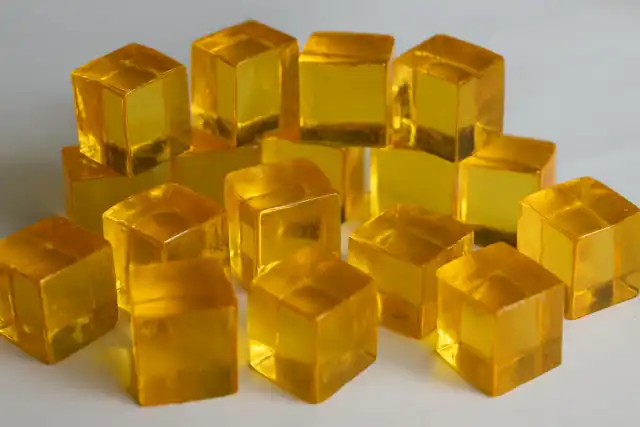
|
||
| Product Name | Gum Rosin | |
| Synonym | Tricyclic Monocarboxylic Acids | |
| CAS # | 8050-09-7 | |
| Formula | C20H30O2 | |
| Molecular Weight: | 302 |
|
| Packing | In galvanized Iron drums of 20/200kg | |
| Grade | X. WW. WG. X. M. K | |

Industrial solution for raw materials, logistics, service and technical services.